
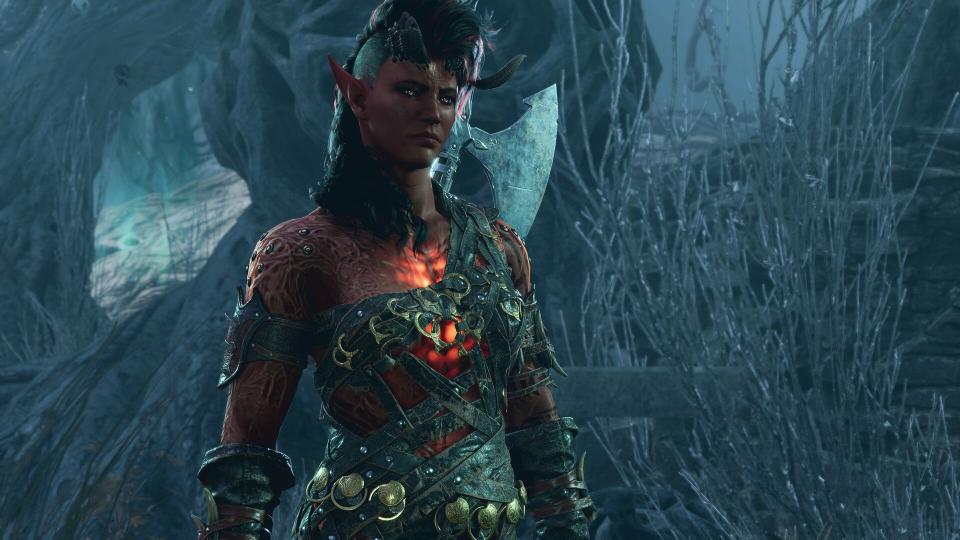
A recent study highlights the phenomenon of "post-game depression" (P-GD), which players often experience after finishing immersive video games, particularly RPGs. This feeling manifests as a mix of sadness and emptiness, often stemming from the emotional investment made in the game. The study, reported in Current Psychology, is one of the first to quantify P-GD, based on findings from 373 participants who detailed their experiences across various games. Researchers identified four key dimensions of P-GD: game-related ruminations, the challenge of concluding an experience, the desire to replay the game, and media anhedonia, where players struggle to find joy in other entertainment after the game's end. The findings suggest that RPGs induce the strongest feelings of post-game depression, reflecting a deeper emotional connection to the narratives and characters.
What is post-game depression and why do RPGs have a stronger effect on players?Post-game depression is the emotional void or sadness players feel after finishing a deeply immersive game. RPGs often elicit stronger responses due to their rich storytelling, complex characters, and the deep emotional investments players make throughout the gameplay, making it harder to transition back to normal life once the game is completed.
Role-playing games have gained significant attention in recent years, especially with titles like Baldur's Gate III pushing narrative boundaries and player engagement. These experiences often forge lasting emotional connections, leading to the feelings associated with post-game depression, as players reflect on their journeys and the impactful decisions made throughout the game. This evolution in gaming content has resonated strongly with an adult audience, seeking more profound emotional experiences from their gameplay.



Jordan Keats
Jordan Keats is a former professional gamer turned journalist, whose competitive background gives them a unique perspective on esports and multiplayer games. Jordan's expertise in strategy and game mechanics is unmatched, offering readers a deeper understing.
Read more articles from Jordan Keats

Comments
Man, it’s wild how a game can leave you feeling so empty after the credits roll, but I guess that’s just proof of how powerful these stories have become. Makes you appreciate the craft, even if it stings a little.