
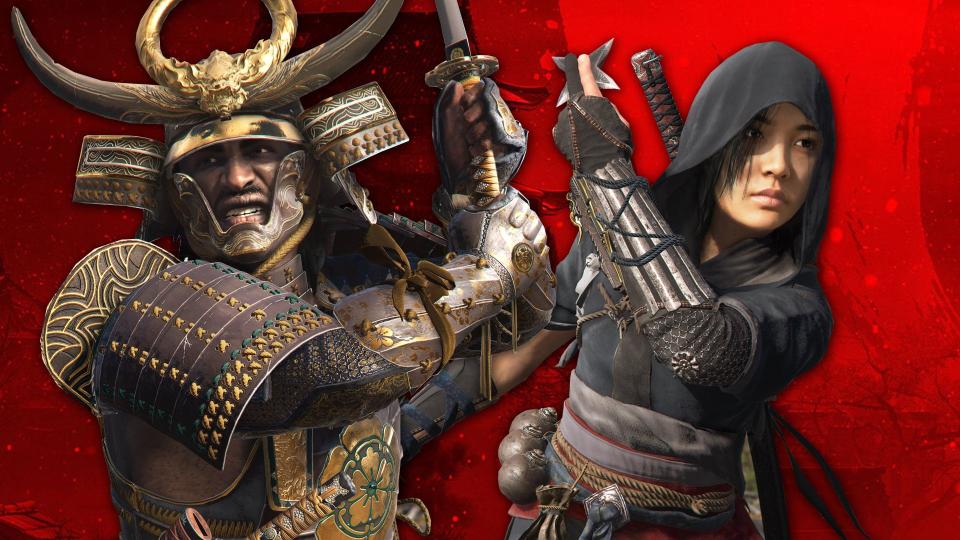
Ubisoft is facing scrutiny following a significant reshuffle that involved game cancellations, studio closures, and layoffs. Critics suggest that the company's focus on Diversity, Equity, and Inclusion (DEI) initiatives is to blame, particularly after the controversial release of Assassin's Creed Shadows featuring a Black samurai protagonist, Yasuke. A former developer from the recently closed Ubisoft Osaka refuted these claims, arguing that the real issue is 'Big Business Syndrome,' which limits creativity and leads to stagnation. The ex-employee emphasized that while DEI programs have had some positive impacts, such as expanding markets to South America and the Middle East, the company's broader management issues stem from a lack of experienced leadership and risk-averse practices.
What is 'Big Business Syndrome' and how does it affect game development?'Big Business Syndrome' refers to a stagnation in creativity and innovation that can occur in large corporations due to risk-averse senior management. This can lead to a lack of new ideas and an ineffective marketing and creative strategy, hindering a company's ability to adapt to changing market demands.
Assassin's Creed Shadows, the latest installment in the iconic series, has faced its share of controversies, particularly for its innovative yet contentious themes. Featuring Yasuke, the game's exploration of historical narratives has sparked discussions on representation in gaming. Ubisoft's struggle with both DEI initiatives and corporate restructuring highlights the challenges they face in balancing creative storytelling with business sustainability.




Samira Khan
Samira Khan is a narrative enthusiast with a keen eye for storytelling in games. Her literary approach to game criticism examines themes, character development, and plot structure, earning her a following among gamers who appreciate the art of narrating.
Read more articles from Samira Khan



Comments
No comments yet. Be the first to comment!