
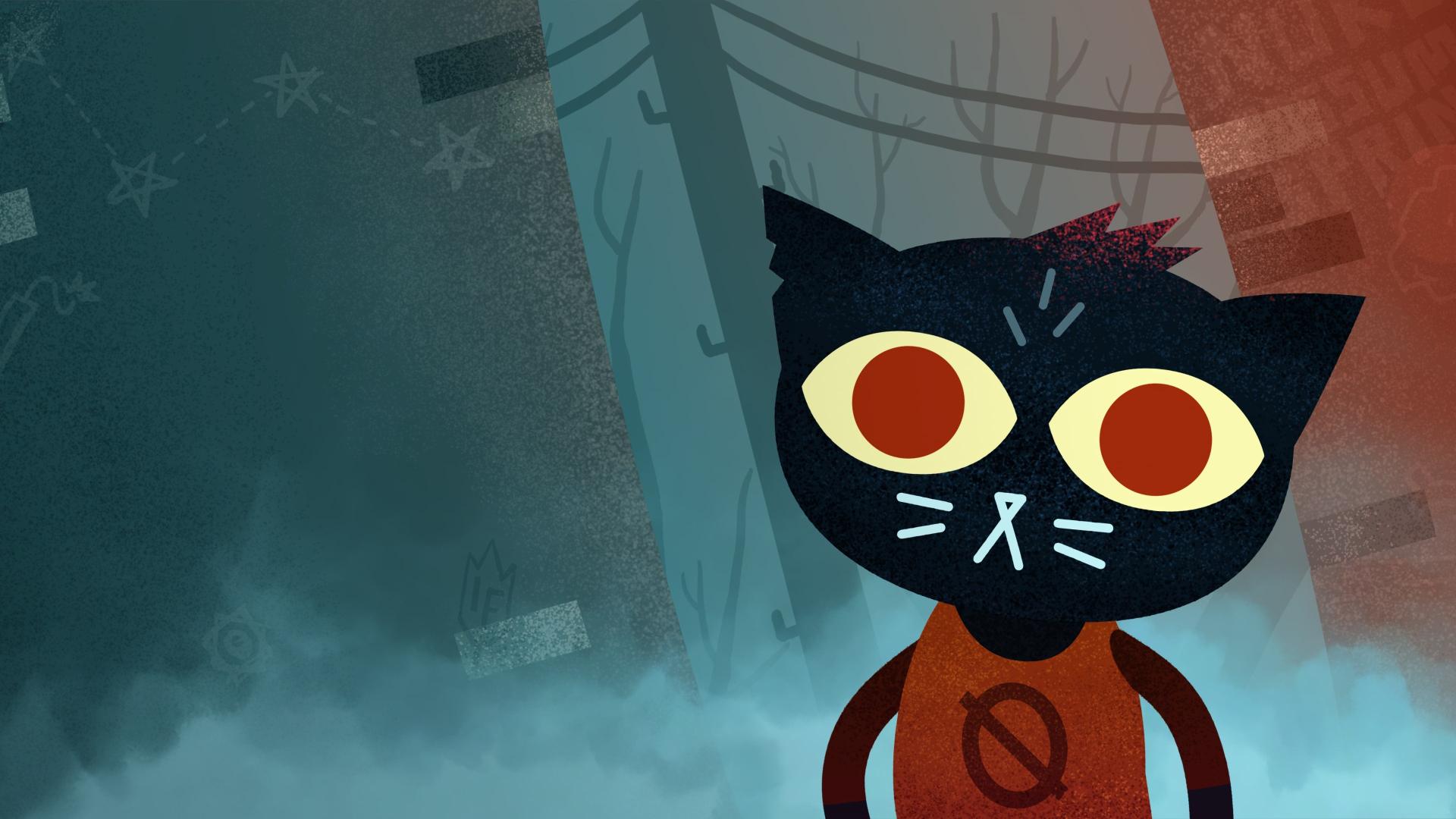
Finji, the publisher behind indie games like Night in the Woods and Tunic, reported that TikTok has been using generative AI to create unauthorized modifications of their ads. These altered ads have included disturbing and racist depictions of Finji’s characters, leading to numerous user complaints that brought the issue to the company's attention. Finji's co-founder, Rebekah Saltsman, expressed concerns regarding TikTok’s lack of response and accountability during the incident, highlighting the management difficulties faced when dealing with AI-generated content and its consequences on brand reputation. Despite efforts to escalate the issue, TikTok's support has not provided satisfactory actions to resolve Finji's concerns regarding offensive advertising.
What are the implications of AI-generated advertising on video game publishers?The implications of AI-generated advertising on video game publishers can be significant, including brand reputation damage, misrepresentation of characters, and potential legal issues involving unauthorized use of images. Publishers must be vigilant in monitoring their advertising content and ensuring AI tools are used responsibly and ethically to prevent damaging their image and relationship with audiences.
Night in the Woods is a narrative-driven indie title released in 2017. Developed by Infinite Fall, it has been highly praised for its storytelling and exploration of themes such as mental health and personal identity. The game features a blend of unique art styles and a rich world filled with anthropomorphic characters. The backlash against TikTok’s handling of Finji's ads reveals broader concerns in the gaming community about the responsible use of AI in marketing, particularly in representing diverse characters accurately and respectfully.


Jordan Keats
Jordan Keats is a former professional gamer turned journalist, whose competitive background gives them a unique perspective on esports and multiplayer games. Jordan's expertise in strategy and game mechanics is unmatched, offering readers a deeper understing.
Read more articles from Jordan Keats


Comments
No comments yet. Be the first to comment!