
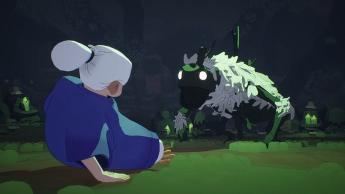
Bruce Straley, co-director of The Last of Us, has expressed concerns about generative AI in the gaming industry, referring to it as "a snake eating its own tail." His remarks came during a discussion about his new studio, Wildflower Interactive, and their debut game, Coven of the Chicken Foot. Straley criticized the current use of generative AI, emphasizing that it merely mimics input rather than creating something original. He clarified that no generative AI was used in the development of Coven of the Chicken Foot, instead emphasizing the importance of traditional art and creativity. Echoing Straley’s views, Larian CEO Swen Vincke recently faced backlash over his studio's use of AI tools in game development, highlighting the ongoing debate around AI's role in video games today.
What is Coven of the Chicken Foot about?Coven of the Chicken Foot features a unique concept centered around anthropomorphized characters, combining action, adventure, and puzzle-solving elements. The game is designed to prioritize creative problem-solving over AI-generated content, showcasing the studio's commitment to authentic artistic expression.
Coven of the Chicken Foot marks the first project for Wildflower Interactive, a new studio established by Bruce Straley after leaving Naughty Dog in 2017. The game's announcement at The Game Awards has generated excitement as fans anticipate a return to Straley's narrative-driven roots, bringing with him a wealth of experience from his time with critically acclaimed titles. Straley aims to create a game that embodies the charm found in handcrafted art, distinct from the automation seen in generative AI.


Samira Khan
Samira Khan is a narrative enthusiast with a keen eye for storytelling in games. Her literary approach to game criticism examines themes, character development, and plot structure, earning her a following among gamers who appreciate the art of narrating.
Read more articles from Samira Khan



Comments
It's cool to see a veteran dev like Straley championing handcrafted charm in an industry increasingly flirting with AI automation. His snake eating its own tail analogy perfectly captures the creative stagnation we risk if we lean too hard on these tools.
It's refreshing to see a developer prioritize genuine creativity over AI shortcuts, especially from someone with Straley's pedigree. This whole debate really highlights how the soul of a game still comes from human hands, not algorithms.