
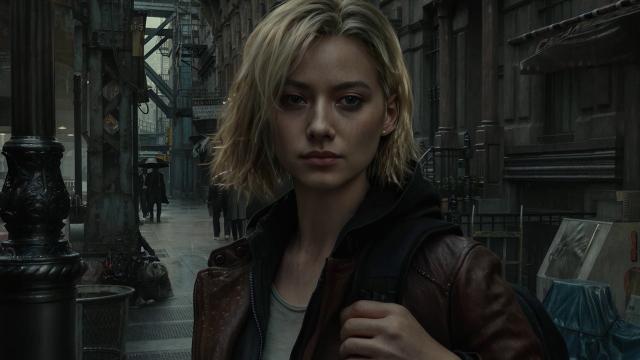
Nvidia has announced DLSS 5 at GTC 2026, the latest version of its AI-driven graphic technology for gaming. Despite the promise of enhanced graphics, the initial trailer has sparked significant backlash from gamers concerned about how it alters a game's visual aesthetics. Nvidia CEO Jensen Huang stood firmly in defense of the technology, stating that critics are "completely wrong” and emphasizing that developers maintain control over the implementation. DLSS 5 is said to integrate generative AI with traditional game elements at the geometry level, rather than simply applying post-processing filters.
This controversy raises important questions regarding the role of AI in gaming, especially concerning artistic vision. Nvidia has not provided a definitive look at how DLSS 5 will change the gaming landscape when it launches this fall, but as anticipation builds, the company may need to showcase the technology in a more favorable context to quell criticism.
What is DLSS and why does it matter for gaming?DLSS, or Deep Learning Super Sampling, is a technology designed to improve graphics performance in gaming by using AI to upscale lower resolution images, allowing for better frame rates without sacrificing visual quality. It allows developers to achieve higher graphical fidelity while reducing the workload on the GPU, making it crucial for next-gen gaming experiences.
DLSS 5 is a part of Nvidia's ongoing efforts to innovate in the gaming space, coming on the heels of previous iterations that have been well-received. By introducing more advanced AI capabilities, Nvidia aims to stay ahead in a competitive market, but it also raises concerns about the balance between technology and the essence of game design.



Alex Riverton
Alex Riverton is a seasoned journalist with over a decade of experience in the gaming industry. Known for their in-depth analysis and hands-on previews, Alex has built a reputation for insightful commentary on gameplay mechanics and storytelling in videogames.
Read more articles from Alex Riverton

Comments
It's wild how we're now debating AI's role in preserving artistic intent rather than just chasing higher frame rates. Hopefully Nvidia's next demo can bridge that gap between raw tech and the soul of a game's visuals.
Honestly, I'm all for pushing graphical boundaries, but messing with a game's core art style feels like a step too far. It'll be interesting to see if Nvidia can win back the community by showing how this tech actually serves the developers' vision, not just raw performance.