
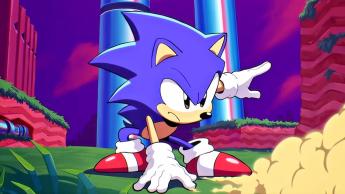
Mark Cerny, known for his work as the lead system architect for PlayStation consoles, reveals the tumultuous development history of the iconic Sonic the Hedgehog game. In a recent interview, he described the project as "terribly controversial" within Sega, stunning stakeholders who underestimated Sonic's tremendous potential. While Cerny initiated a shift in resource allocation for the sequel, the strain led to co-creator Yuji Naka's departure, illustrating the high stakes and pressures faced during its creation. Sonic's success ultimately validated the intense development effort, transforming Sega's legacy in the gaming world.
What challenges did Mark Cerny face during the development of Sonic the Hedgehog?Mark Cerny faced significant pressure to allocate resources effectively for Sonic's development while managing high expectations from Sega's leadership. This led to controversies that strained team dynamics and culminated in the departure of key developer Yuji Naka
Sonic the Hedgehog, released in 1991, fundamentally changed the gaming landscape as Sega's answer to Nintendo's Mario. The game's release sparked a cultural phenomenon and led to numerous sequels and spin-offs, establishing Sonic as a household name. With the ongoing success of the Sonic franchise, including films and merchandise, Cerny's insights into its challenging development have gained renewed interest among fans and gamers alike.


Samira Khan
Samira Khan is a narrative enthusiast with a keen eye for storytelling in games. Her literary approach to game criticism examines themes, character development, and plot structure, earning her a following among gamers who appreciate the art of narrating.
Read more articles from Samira Khan



Comments
It's fascinating how the pressure to create an icon can fracture even the most talented teams. Yet that chaos somehow birthed a character who defined a generation of gaming.
It's wild how even legendary games like Sonic had such chaotic development behind the scenes. Makes you appreciate the final product even more when you hear about those internal battles.