
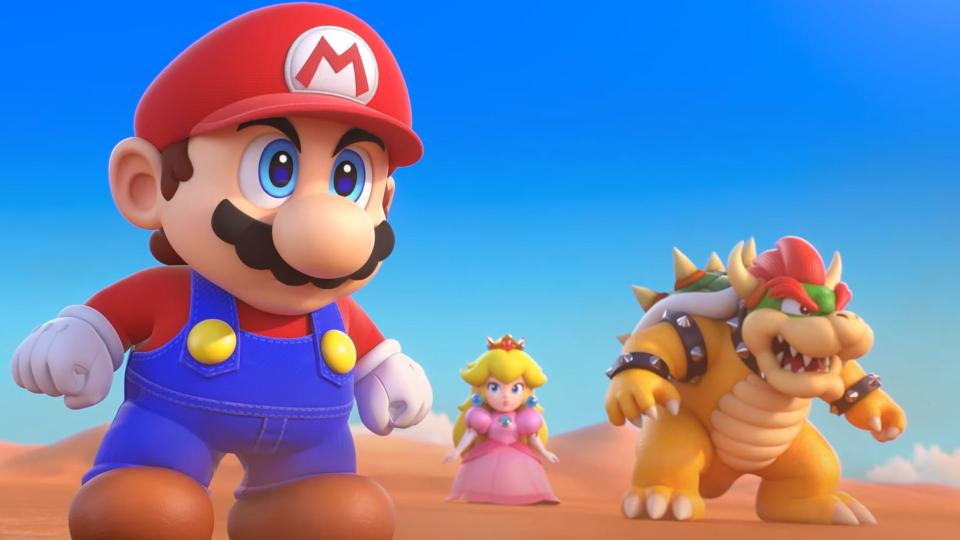
Google has launched an interactive world creation tool called Project Genie, which allows users to generate playable environments based on prompts. The AI technology can create 3D spaces in real time, enabling users to explore by running, swimming, or flying. However, there are concerns about the model's lack of restrictions on copyrighted content from popular games like Super Mario 64, Breath of the Wild, and Kingdom Hearts. Although initially capable of creating experiences for up to 60 seconds, with limitations on resolution and frame rate, access to the service is $124.99 per month for U.S. subscribers over 18. As a result of backlash regarding potential copyright infringements, Google has temporarily stopped generating Mario-themed content.
What are the implications of Project Genie on copyright laws in gaming?Project Genie raises significant questions about the boundaries of AI-generated content and copyright laws in gaming. As AI technology advances, it could challenge existing copyright frameworks, necessitating new regulations to protect intellectual property while allowing for creative expression through AI.
Project Genie comes in the wake of major AI advancements, including the earlier rollout of OpenAI's Sora 2 model which also faced criticisms for generating content featuring licensed characters. The controversial responses from various content providers highlight the growing intersection of AI technology and intellectual property, particularly in the gaming and entertainment sectors where fan engagement often blurs the lines of copyright. The Legend of Zelda: Breath of the Wild, released in March 2017, is a significant part of gaming culture, praised for its expansive open-world design and innovation in gameplay mechanics. This context adds depth to the discussion about the ramifications of AI tools like Project Genie in shaping future gaming experiences and challenges in licensing creative works.
Samira Khan
Samira Khan is a narrative enthusiast with a keen eye for storytelling in games. Her literary approach to game criticism examines themes, character development, and plot structure, earning her a following among gamers who appreciate the art of narrating.
Read more articles from Samira Khan
Comments
No comments yet. Be the first to comment!