
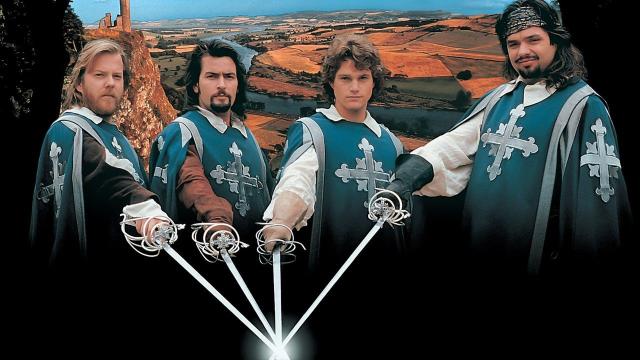
The discovery of what may be the remains of the real-life D’Artagnan, based on the character from Alexandre Dumas’ The Three Musketeers, has ignited intrigue. Archaeologists have uncovered a skeleton beneath the floor of a church in Maastricht, and deacon Jos Valke believes it could belong to Charles de Batz de Castelmore, who fell during the Siege of Maastricht in 1673. The remains, found alongside a bullet and a coin from 1660, have undergone analysis as the world awaits confirmation. This exciting find enriches the historical legacy of The Three Musketeers, which has inspired countless adaptations over the years.
What historical significance does D’Artagnan hold?D’Artagnan was not only a pivotal character in one of literature's most beloved tales but was also a real musketeer, highlighting the fusion of history and fiction in Dumas’ work. His adventures alongside Athos, Porthos, and Aramis reflect the camaraderie and valor that defined this historical period, with Dumas' narrative providing a timeless adventure that continues to entertain audiences across various media formats.
The Three Musketeers, written by Alexandre Dumas and published in 1844, has been adapted into numerous films, television shows, and even video games. Notable adaptations include the Disney version from 1993 and the recent French translations. The story’s themes of friendship, loyalty, and adventure resonate regardless of the medium, showcasing the enduring popularity of the Musketeer saga. The video game adaptations from 2006 have also brought D'Artagnan's exploits to life in interactive formats, allowing fans to engage with this classic tale in new ways.




Jordan Keats
Jordan Keats is a former professional gamer turned journalist, whose competitive background gives them a unique perspective on esports and multiplayer games. Jordan's expertise in strategy and game mechanics is unmatched, offering readers a deeper understing.
Read more articles from Jordan Keats


Comments
It's always cool when archaeology gives a nod to pop culture icons. Makes you wonder how many other legendary figures are still waiting to be found.
It's wild to think a literary legend might have been chilling under a church floor this whole time. This kind of find really blurs the line between the swashbuckling stories we love and the actual, messy history they're based on.