ESA wants retro handhelds with unlicensed games added to USTR Notorious Markets List
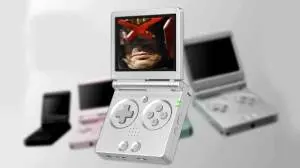
ESA urged the U.S. Trade Representative on October 6 to act against retro handhelds and plug-and-play consoles sold with unlicensed games.
- In that filing, the ESA calls for action against retro handhelds and plug-and-play consoles sold with unlicensed games.
- The ESA wants these devices added to the USTR Notorious Markets List.
What happened
On October 6, the ESA urged the U.S. Trade Representative to take action against retro handhelds and plug-and-play devices that the group says are being sold with illegal game copies. In the passage cited by Gamespot, the devices are described as hardware used not only for emulation, but also as carriers for preloaded, unauthorized game libraries. The organization links that sales practice to broader concerns about copyright infringement and counterfeiting in the consumer electronics market.
According to the quoted text, the ESA wants these emulation devices added to the USTR’s Notorious Markets List. That list is used each year to name markets and services that the U.S. government says are associated with large-scale intellectual property infringement. The ESA is not calling for a blanket ban on emulation, but for attention to devices that the group says are sold with unlicensed content.
In the cited passage, the ESA says such devices can look like ordinary consumer electronics while actually containing hidden storage with hundreds, thousands, or even tens of thousands of unauthorized game copies. The group describes them as the functional equivalent of “superfakes.” That wording is important because it puts the focus on the combination of hardware and preinstalled software, rather than on standalone emulators or homemade retro projects.
Gamespot names Anbernic as an example of a maker of retro-style handhelds. Based on the available information, it has not been confirmed which specific models, sellers, or distribution channels were mentioned in the full filing. It is also unclear whether the ESA had one category of devices in mind or several product lines under the same label. The source material does confirm that the organization raised the issue with the USTR, but not that the U.S. government has made any decision yet.
Timeline
October 6: the ESA submits comments to the U.S. Trade Representative about retro handhelds and plug-and-play devices with unlicensed games.
October 6: in that filing, the ESA asks for these devices to be added to the USTR Notorious Markets List, the annual list of markets and services associated with large-scale intellectual property infringement.
October 6: in the quoted passage, the ESA describes the devices as the functional equivalent of “superfakes” and says they can contain hidden storage with hundreds, thousands, or even tens of thousands of unauthorized game copies.
October 14, 2026: publication date of the provided summary and source information.
Background
The USTR Notorious Markets List is an annual overview of markets, websites, and services that the U.S. government says contribute to piracy or counterfeiting. In this case, the ESA is not targeting emulation hardware itself, but devices that it says are sold with unauthorized game libraries. That distinction matters, because the source material emphasizes preloaded content rather than emulators on their own.
The source information names Anbernic as an example within the retro handheld category. That shows the debate is taking place in a market segment where compact handhelds, plug-and-play systems, and retro-style devices are often sold with large game collections. However, the available details do not confirm specific model names, a list of sellers, or which distribution channels were mentioned in the filing. It is also not known whether the ESA’s full text distinguishes between devices sold with rights-holder permission and devices delivered without it.
The quoted ESA passage also includes a clear scale marker: hidden storage with hundreds, thousands, or even tens of thousands of unauthorized game copies. That detail helps explain why the organization sees the issue as an enforcement problem. At the same time, it remains unclear from the available information whether the USTR has adopted the request, whether any assessment has been published, or whether the Notorious Markets List will actually be changed in this round. The source material only confirms that the ESA took a formal step on October 6 and chose the USTR as the point of contact.
Sources
- Gamespot: report on the ESA filing with the USTR and the call to add retro handhelds with unlicensed games to the Notorious Markets List.