
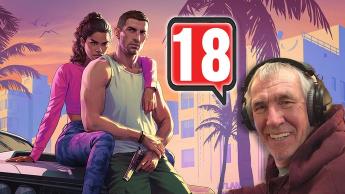
The voice actor Richard Wells, known for the iconic "PEGI 18" recording that has resonated with gamers for over 16 years, has seen a remarkable resurgence in recognition, particularly on platforms like TikTok. Despite having been paid only €200 for his recordings, the voice itself has been heard billions of times worldwide, potentially making it one of the most recognized recordings in video game history. After a nostalgic video surfaced on TikTok, Wells received tremendous attention, leading to demands for autographs at a comic convention and raising questions about fair compensation for voice work in the gaming industry. Following discussions with PEGI, a more appropriate payment arrangement was reached, although Wells remains reflective about the valuation of his work.
What is the background of Richard Wells, the voice behind "PEGI 18"?Richard Wells initially worked in advertising before transitioning into voice acting later in life. His breakthrough as a voice talent came when he recorded a series of PEGI rating announcements in 2009. Although he had no prior gaming experience, his distinctive voice soon became a recognizable part of gaming culture. His recent TikTok success led to a realization of the significant impact of his work on gamers around the world.
Grand Theft Auto VI, a major upcoming title, is expected to have a significant cultural impact with its release, and Wells' contributions are intertwined with the wider gaming landscape. As gamers await the new installment from Rockstar Games, recognizing the voices that guide them through their gaming experiences adds an interesting layer to the anticipation surrounding this title.

Alex Riverton
Alex Riverton is a seasoned journalist with over a decade of experience in the gaming industry. Known for their in-depth analysis and hands-on previews, Alex has built a reputation for insightful commentary on gameplay mechanics and storytelling in videogames.
Read more articles from Alex Riverton
Comments
It's pretty cool how a simple voice line can become a nostalgic touchstone for an entire generation of gamers. This whole story really makes you think about the unseen artists who shape our gaming memories, often without much fanfare or fair pay.
It's wild how a voice can become such a huge part of gaming culture, even when the person behind it wasn't a gamer themselves. This whole situation really highlights how much the industry still needs to figure out when it comes to properly valuing voice talent.