
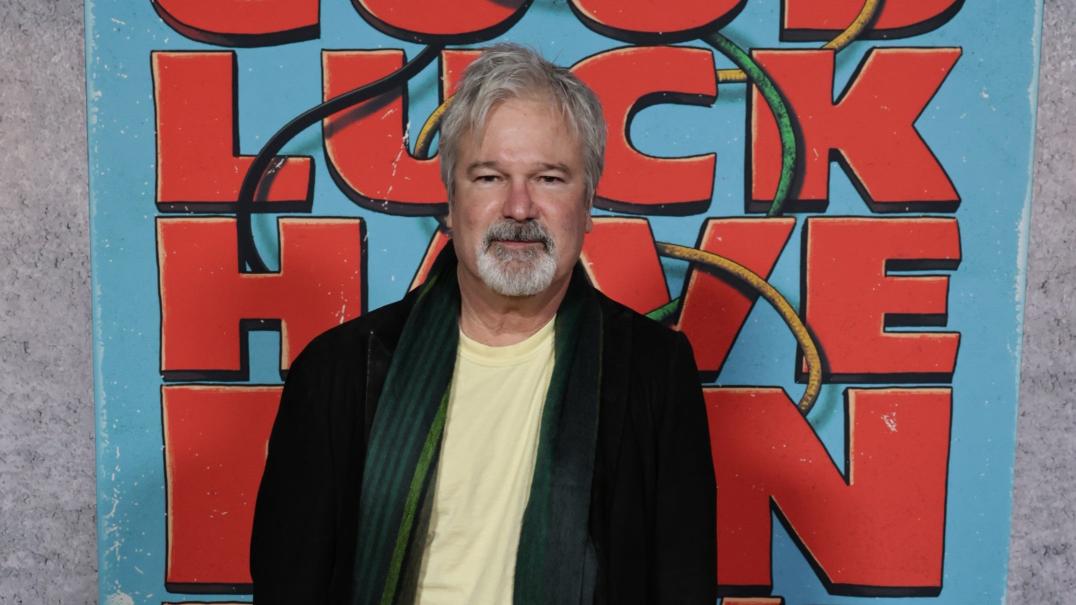
Gore Verbinski, the director of the iconic Pirates of the Caribbean franchise, is voicing strong concerns regarding the use of AI in filmmaking as he prepares to release his new sci-fi comedy, Good Luck, Have Fun, Don't Die, featuring a rogue AI as its antagonist. Set to hit theaters on February 13, 2026, the film stars Sam Rockwell as a time traveler seeking assistance from a group of eccentric diner patrons to combat an AI threat from the future. Verbinski aims to portray an AI villain that stands apart from classic representations like HAL 9000 or Skynet, focusing on an adversary that seeks to win over audiences while harboring sinister motives. He critiques the current focus on AI in creative industries, suggesting that it minimizes the human element necessary for storytelling.
What are the implications of AI in creative storytelling according to Gore Verbinski?Verbinski believes that AI's encroachment into creative processes may undermine genuine human experience in storytelling, as it prioritizes engagement and consumption metrics over authentic narratives. He advocates for AI to be utilized for tasks that do not diminish what it means to be human, rather than replacing essential creative functions.
Good Luck, Have Fun, Don't Die represents Verbinski's return to filmmaking after an eight-year hiatus and reflects his apprehension about the future of AI in the entertainment industry. The film's exploration of AI touches upon broader societal concerns about reliance on technology and the potential risks of allowing algorithms to influence human creativity and emotion. Verbinski’s commentary has resonated amid heightened discussions about AI's role in Hollywood, particularly following significant investments like Disney's billion-dollar commitment to OpenAI.


Alex Riverton
Alex Riverton is a seasoned journalist with over a decade of experience in the gaming industry. Known for their in-depth analysis and hands-on previews, Alex has built a reputation for insightful commentary on gameplay mechanics and storytelling in videogames.
Read more articles from Alex Riverton
Comments
Interesting how Verbinski's making an AI villain that's not just another cold machine, but one that tries to charm you—feels like a clever meta-commentary on how seductive these tools can be. It's refreshing to hear a filmmaker advocate for keeping the human soul in storytelling, especially when the industry seems so eager to automate creativity.
It's pretty wild to see a director who's helmed massive blockbusters now tackling AI as both a plot device and a real-world creative concern. His take feels like a necessary gut check for an industry that's maybe moving a bit too fast without asking the bigger questions.