
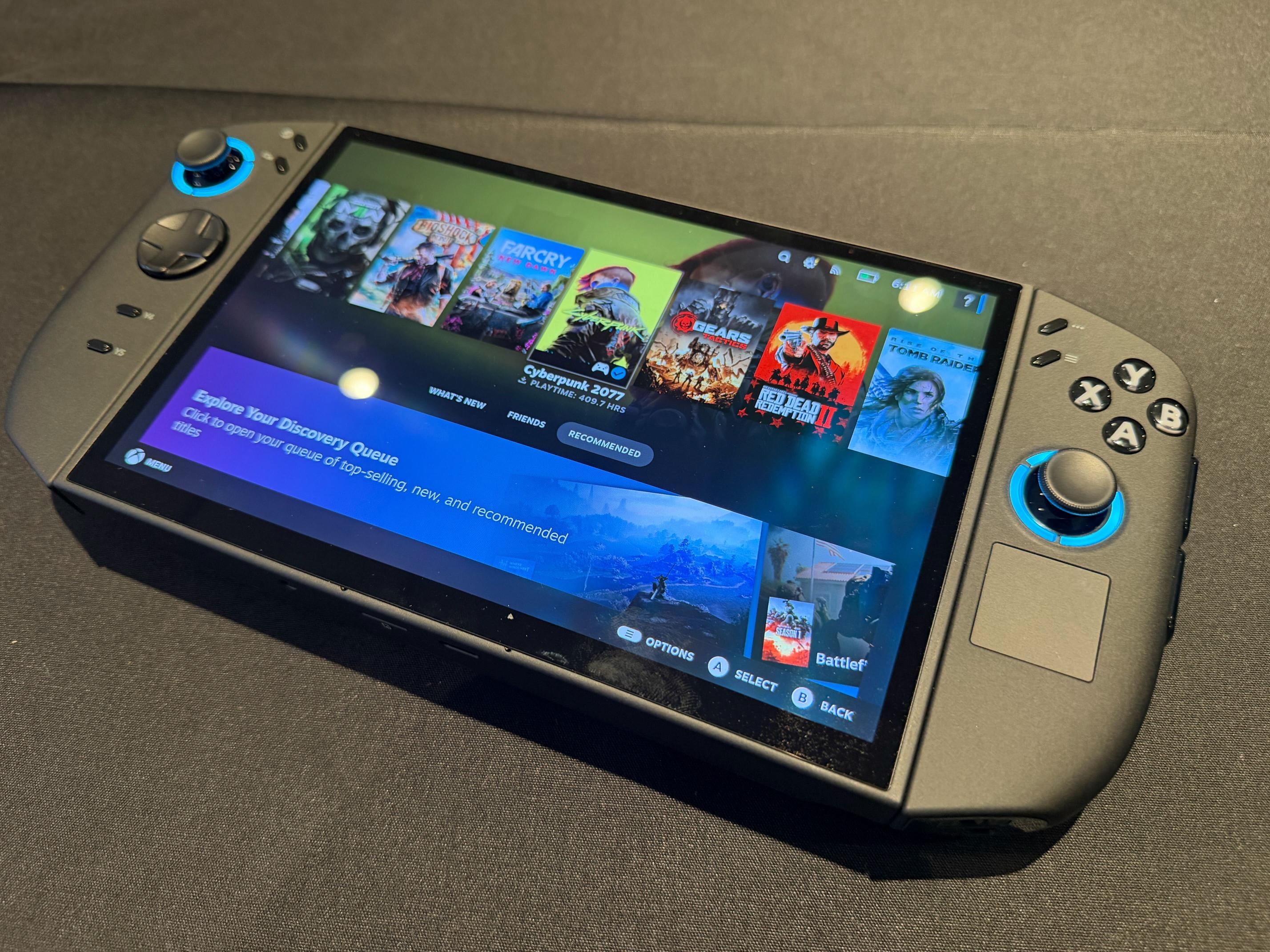
Lenovo has announced the Legion Go 2, a handheld gaming PC that now features SteamOS, making it a more appealing option for gamers compared to its predecessor that ran on Windows 11. The device retains the powerful AMD Ryzen Z2 Extreme chip, 32GB of RAM, and 2TB SSD storage. The key upgrade is the transition to SteamOS, which is designed to enhance user experience and optimize hardware performance. While existing Legion Go 2 users can switch to SteamOS through a Linux installation, new buyers will enjoy the operating system pre-installed, offering a smoother gaming experience. The starting price for the new model will be $1,199, slightly higher than the original due to various factors. As the demand for handheld gaming devices continues to rise, this transition highlights a trend towards more Linux-based systems for better gaming capabilities.
What are the advantages of using SteamOS over Windows for gaming handhelds?SteamOS is specifically optimized for gaming, providing a better user interface and support for controllers, which enhances the overall gaming experience compared to Windows 11. Gamers often find that Linux-based systems offer better hardware compatibility and performance for handheld gaming.
The Lenovo Legion Go 2 builds on its predecessor, the Legion Go, which faced criticism for its Windows operating system hindrances. The original model launched in September 2025, but gamers quickly demanded a more suitable OS for gaming without the limitations of Windows. With the Legion Go 2, Lenovo is addressing these concerns by adopting SteamOS, which has generally received positive feedback from the gaming community, particularly for handheld devices.




Alex Riverton
Alex Riverton is a seasoned journalist with over a decade of experience in the gaming industry. Known for their in-depth analysis and hands-on previews, Alex has built a reputation for insightful commentary on gameplay mechanics and storytelling in videogames.
Read more articles from Alex Riverton



Comments
Finally, a handheld that gets it—SteamOS feels like it was made for gaming on the go, while Windows always seemed like a workaround. This shift could really push the whole category toward that seamless, console-like experience we've been craving.
Switching to SteamOS is a smart move for handhelds since it cuts out Windows' bloat and focuses on what gamers actually need. It's cool to see more companies embracing Linux to fine-tune performance for these portable rigs.