
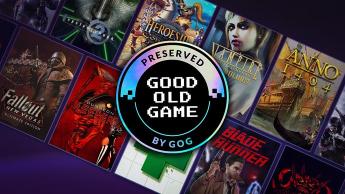
GOG, the digital game distribution platform, has become an independent entity and is now looking to enter the indie game publishing scene. Previously a part of CD Projekt Red, GOG was mainly focused on restoring classic games and selling titles from its former parent company. With the new ownership under Michał Kiciński, GOG is set to explore publishing indie games, a strategic shift that was not possible while under CD Projekt's umbrella. Kiciński, who co-founded both companies, believes this independence will allow GOG to take more risks and react quicker to market opportunities without investor pressure. While GOG will still focus on its core principles of selling DRM-free games and restoring older titles, there’s potential for growth in publishing that hasn’t been fully explored before.
What does GOG's independence mean for indie game publishing?GOG's independence allows the company to delve into indie game publishing, which was previously restricted under CD Projekt Red. This shift enables GOG to foster new talent, explore diverse games, and expand its business model beyond just digital distribution.
GOG, short for Good Old Games, has been a staple in the gaming community since its launch in 2008. Initially focused on offering classic games without DRM, GOG later gained recognition for its affiliation with CD Projekt, enhancing its profile through the popularity of titles like The Witcher series and Cyberpunk 2077. The recent move to independence opens up new avenues for GOG and closely aligns with the growing indie game market, a sector known for its innovation and creativity.



Casey Loh
Casey Loh is a tech-savvy writer who specializes in the intersection of gaming and technology. With a background in computer science, Casey brings a technical lens to her reviews, breaking down the nuts and bolts of game engines, graphics, and AI innovation.
Read more articles from Casey Loh

Comments
No comments yet. Be the first to comment!