
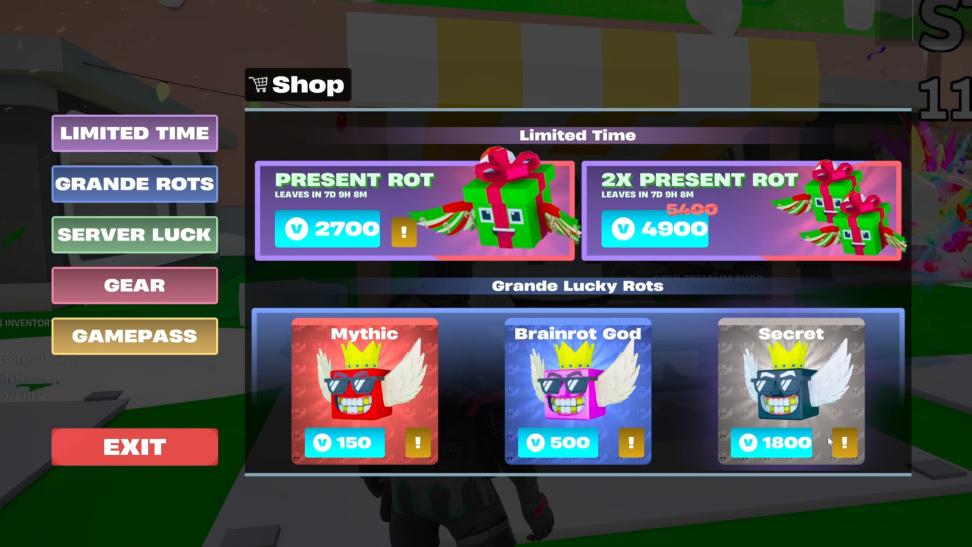
Epic Games has introduced third-party microtransactions to Fortnite, enabling developers to sell in-game items. This change has sparked controversy, especially with the popular game Steal the Brainrot, which quickly rolled out premium bundles priced at $45 and gambling-style mechanics, including a chance-based roulette wheel for randomized rewards. Players have criticized this shift as it mirrors predatory practices previously condemned by Fortnite. The developer gets a significant portion of the revenue while Epic retains a cut, inciting fans to voice their concerns over the ethical implications of these monetization practices. Many fear this could lead to widespread loot box mechanics, diluting the gaming experience.
Why are Fortnite fans upset about Steal the Brainrot's new monetization strategy?Fortnite fans are upset because the introduction of third-party microtransactions, particularly the expensive bundles and gambling mechanics, is seen as a move towards predatory monetization practices that risk turning Fortnite into a platform akin to games with loot boxes, which the community previously criticized.
Steal the Brainrot is a significant player within the Fortnite ecosystem, having garnered over a million concurrent users. Originating from the Roblox platform, it has gained popularity for its interactive gameplay and creative mechanics. The recent changes have raised alarms about the future direction of monetization in user-created games within Fortnite, especially given the historical stance Epic Games has taken against loot boxes. Players worry that this new model could tarnish the game's reputation and quality, compromising the community's trust.




Alex Riverton
Alex Riverton is a seasoned journalist with over a decade of experience in the gaming industry. Known for their in-depth analysis and hands-on previews, Alex has built a reputation for insightful commentary on gameplay mechanics and storytelling in videogames.
Read more articles from Alex Riverton

Comments
No comments yet. Be the first to comment!