VRChat community protests generative AI after Patroll boycott on October 4, 2026
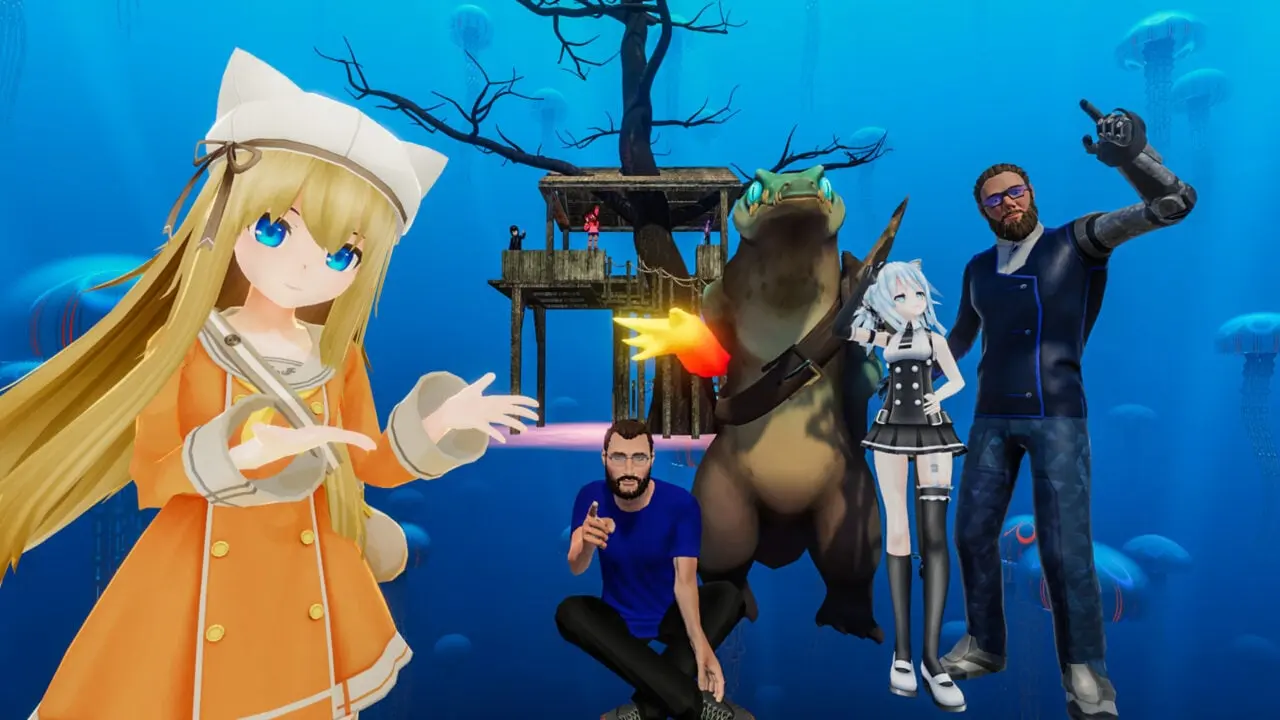
VRChat faces criticism from part of its community over generative AI in worlds, avatars, and thumbnails. Patroll stops translations and wiki work.
Community member Patroll (@P4tr0ll) said on October 4, 2026 that they were stopping VRChat translations, VRChat Wiki maintenance, Community Testers work, and spending on the platform. In the same tweet, Patroll accused VRChat of promoting AI worlds and using AI images; in the provided sources, that remains the user's own claim.
What happened
Kotaku says the unrest inside the VRChat community is tied to concerns about a rise in generative AI content and how discoverability on the platform is affected. The source also says VRChat has started a community consultation or policy discussion about the use of generative AI. In the provided context, that discussion is explicitly linked to creative, player-facing spaces — content other users directly see when they visit worlds or view avatars.
In a tweet dated October 4, 2026, Patroll said their own contribution to VRChat would be paused until something changes. The tweet specifically mentions stopping translations, VRChat Wiki maintenance, Community Testers work, and spending money on the platform. Patroll tied that to criticism of AI worlds and AI images. The embed text also says Patroll urged other users to join group NOAI.3843, showing that the protest was at least framed as an organized group call.
Another source reference in the material describes the policy discussion as a trade-off between speed and quality: AI can speed up development and reduce technical overhead, but it can also produce a lot of low-quality content that weakens human connection. That wording appears in a quoted statement in the source references and lines up with the broader discoverability debate, since Kotaku says AI content may affect how content is found on the platform.
A second source reference says AI appears to be allowed for translation, code help, and tools in Blender or Unity for now, while user-facing uses such as world logic, AI assets, or fully generated worlds remain uncertain. The provided text also says the debate is not just about thumbnails, but about how far AI should go in content directly experienced by other users. However, the available sources do not provide fully written final VRChat policy rules, so the exact line between allowed and disallowed use is still not fully settled in this phase.
Timeline
October 4, 2026: Patroll posts a tweet announcing that their VRChat contributions are being paused in protest against AI use on the platform.
October 4, 2026: In the same tweet, Patroll says they are stopping VRChat translations, VRChat Wiki maintenance, Community Testers work, and spending on the platform, and refers to group NOAI.3843.
October 4, 2026: A source reference in the provided material includes a statement describing AI as something that can speed up development and reduce technical overhead, but also produce low-quality content.
October 4, 2026: Another source reference mentions a provisional policy line in which AI appears to be allowed for translation, code help, and tools in Blender or Unity, while user-facing uses remain uncertain.
October 12, 2026: Kotaku publishes an article about protests inside the VRChat community against a rise in generative AI content.
Background
VRChat is a social VR environment where users create and share worlds, avatars, and other creative content. Those visible parts are exactly what the provided sources place at the center of the generative AI debate. The discussion is not only about internal development tools, but also about content that other users can actually see in practice, such as thumbnails, worlds, and avatars.
The source material shows the debate playing out on several levels. On one side is the question of whether AI can help with translation, code assistance, and faster development in tools like Blender and Unity. On the other side is the concern that AI systems can produce large amounts of quickly made content with little handcrafting, weakening the human side of the community. In the quoted statement from the source references, that tension is summed up as a choice between efficiency and quality.
The provided information also says the discussion touches on discoverability, meaning how content is found on the platform. That matters because Kotaku describes the protests as a response to an influx of AI content that affects discoverability. In Patroll's tweet, that becomes a concrete boycott of their own work and spending, showing that the criticism is not just theoretical but is also leading to personal action from a well-known community contributor.
At the same time, VRChat's official position is still incomplete in the provided sources. There is a community consultation or policy discussion, but the exact final rules are not fully spelled out. Based on the available material, it is clear that a policy process is underway, but not that every part of it has already been finalized or publicly locked in.
Sources
- Kotaku, October 12, 2026: article about protests in the VRChat community against generative AI content.
- Tweet by Patroll (@P4tr0ll), October 4, 2026: announcement of a boycott of VRChat activities and spending.
- Quoted source references in the provided material about the ongoing AI policy discussion within VRChat.