Nintendo launches free Hello, Peach! and Hello, Luigi! for Switch and mobile
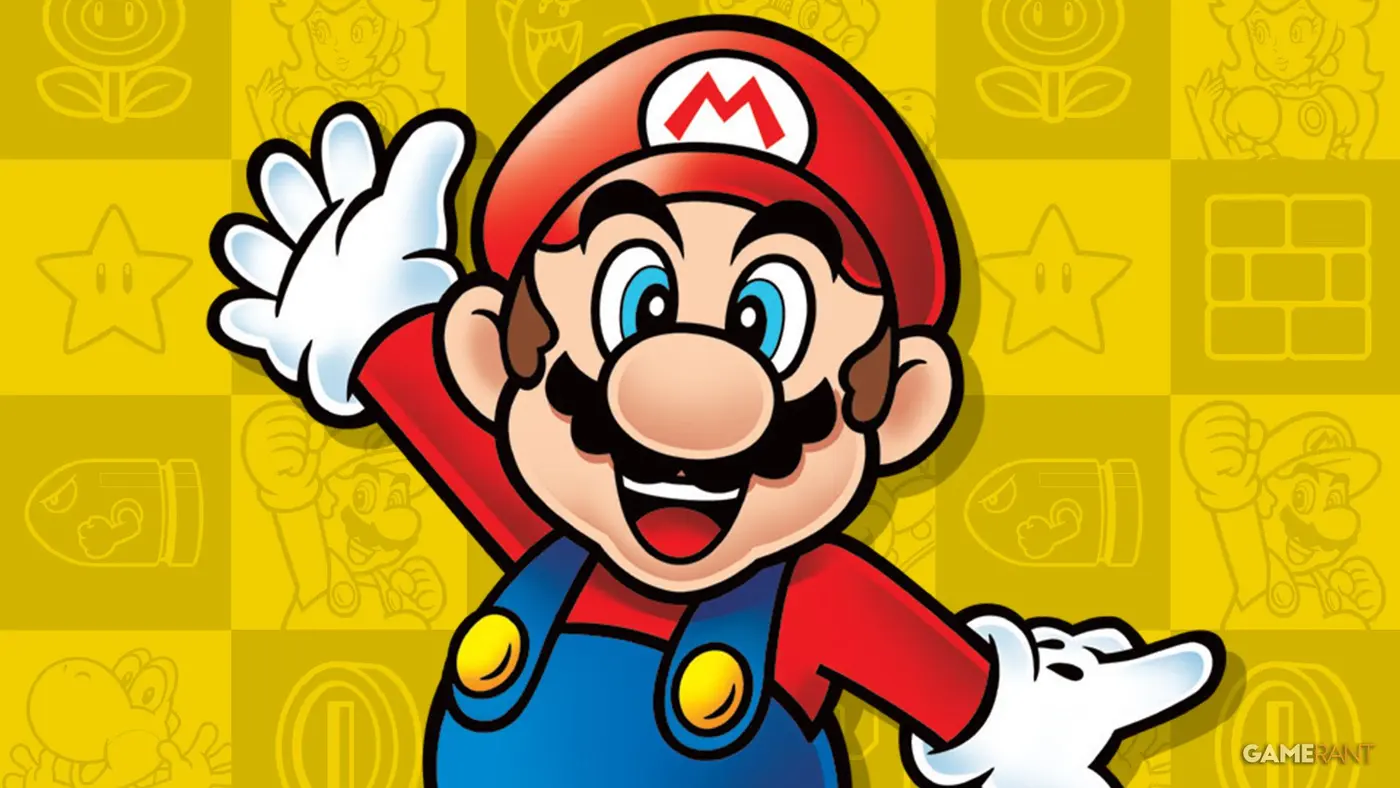
Nintendo has released two free My Mario apps, Hello, Peach! and Hello, Luigi!, for Switch and compatible iOS and Android devices.
- The apps are aimed at young children and let players stretch and distort Peach and Luigi’s faces.
- According to the source, the apps are available on Nintendo Switch and compatible iOS and Android devices, with Switch 2 compatibility noted for the Switch versions.
What happened
Nintendo released two new free Super Mario apps on October 5 as part of the My Mario product line: Hello, Peach! and Hello, Luigi!. According to the source, the apps are intended for a very young audience and focus on simple interaction with Peach and Luigi’s faces. The description in the source presents them as playful apps where children can stretch and distort the characters’ faces, without the need for complex controls or deep gameplay systems.
The two apps tie into Nintendo’s My Mario range, which launched in Japan in August 2025 and later arrived in North America in 2026, according to the source. That product line includes wooden blocks, plush toys, Fisher-Price Little People figures, books, clothing, tableware, and other family-focused Super Mario items. The apps are presented as the latest additions to that broader lineup, which is clearly aimed at young children and families.
According to the source, Hello, Peach! and Hello, Luigi! are available on Nintendo Switch and on compatible iOS and Android devices. The text also notes that the Switch versions are playable on Nintendo Switch 2 without performance issues. The source mentions not only the mobile platforms, but also that the apps are available through the Nintendo eShop for the original Switch release. That positions Nintendo’s apps as free, accessible software that can be used across multiple devices.
The app names lean on Nintendo’s familiar Super Mario characters, with Peach and Luigi as the central figures. The source emphasizes that these are two separate apps rather than a single bundle. That makes the release notable within the My Mario line, since Nintendo is adding simple digital software alongside physical products under the same family-friendly brand.
Timeline
2025-08: Nintendo launches the My Mario product line in Japan, according to the source, with wooden blocks, toy figures, and other family-focused items.
2026: My Mario arrives in North America earlier this year, according to the source, expanding the same product line beyond Japan.
2026-10-05: Nintendo releases Hello, Peach! and Hello, Luigi! as free apps for Switch and mobile devices.
2026-10-05: The source says the Switch versions are also playable on Nintendo Switch 2 without performance issues.
Background
My Mario is Nintendo’s family-focused Super Mario line of products for young children and families. The source mentions physical items such as wooden blocks, toy figures, books, clothing, and tableware alongside the new apps. That means My Mario is not just a software release, but a broader brand rollout that brings several product categories together under one recognizable name.
Hello, Peach! and Hello, Luigi! are the latest additions to that line, according to the source. The apps are designed as simple, child-friendly software and are listed for Nintendo Switch, iOS, and Android, with a separate note about Switch 2 compatibility for the Switch versions. The source does not suggest that these are traditional platformers or full Mario games; instead, the focus is on a basic interactive experience for a very young audience.
The timing fits the wider rollout of My Mario outside Japan. The source cites a Japan debut in August 2025 and a later North American release in 2026, showing Nintendo gradually expanding the product line internationally. Adding free apps makes the line more accessible digitally, while the existing physical products reinforce the family-oriented branding.
The source also notes that the Switch versions can be played on Nintendo Switch 2 without performance problems. That detail appears as part of the platform information around the release. Since the source does not provide technical specifications or official performance figures, it remains a general compatibility note.