European Commission and CPC Network target 11 games over microtransactions
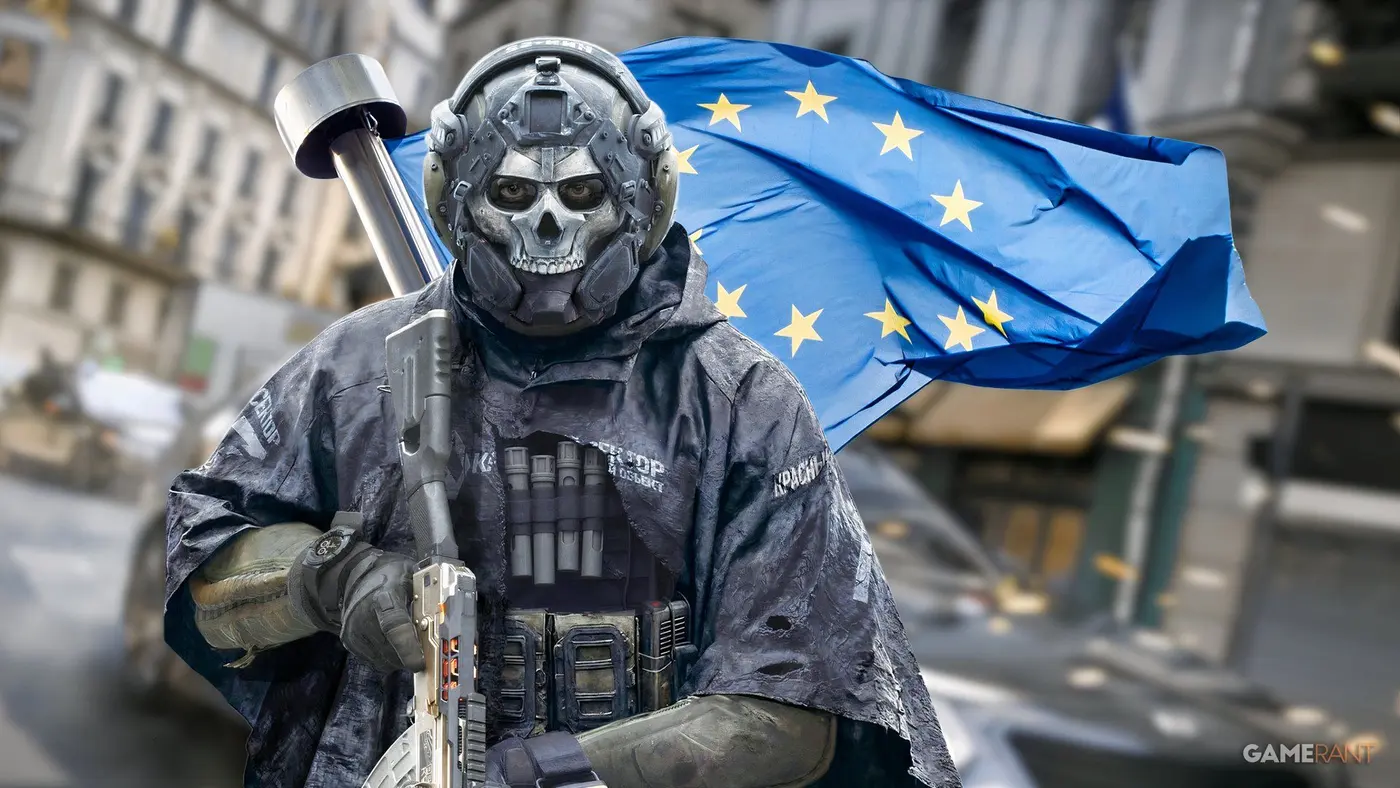
The European Commission and CPC Network are pressuring 11 games over in-game currency and microtransactions, including Call of Duty Mobile and Minecraft.
The reporting names 11 games, including Call of Duty Mobile, Diablo Immortal, Minecraft, Valorant, Clash of Clans, For Honor, Hunt: Showdown 1896, Forge of Empires, Candy Crush Saga, Mech Arena and Gardenscapes.
The criticism centers on prices not being shown clearly in real-world currency, conversions through virtual currency, and bundle purchases that prevent players from buying a single item on its own.
What happened
According to the available sources, the European Commission and the CPC Network have launched a joint consumer action against practices involving in-game virtual currency. The reporting names publishers and developers such as Activision Blizzard, Mojang and Ubisoft. The action is linked in the sources to a broader European focus on consumer protection in video games, with extra attention on children and on commercial practices that authorities say may disadvantage vulnerable players.
The action revolves around the so-called "Key Principles on In-Game Virtual Currency", which the sources say were published in 2025. These principles are said to require prices to be shown clearly in real-world currency, to limit detours through multiple currencies, and to prevent consumers from being forced into bundle purchases when they only want a single item. The available context also says the CPC Network believes paid virtual currency makes purchases more complicated because players must first convert money into an intermediary currency before buying an item.
The reporting names 11 games covered by the action. Alongside Call of Duty Mobile, Minecraft and Diablo Immortal, the list includes Valorant, Clash of Clans, For Honor, Hunt: Showdown 1896, Forge of Empires, Candy Crush Saga, Mech Arena and Gardenscapes. The available sources also say the Commission and CPC Network are tying the action to major industry players, including Activision Blizzard, Mojang and Ubisoft. The official context available emphasizes that video games and their commercial practices must be adapted to children and must not exploit their vulnerabilities.
The exact legal status of the principles mentioned remains unclear in the supplied sources. The available context suggests they may be a common position or set of guidelines rather than new binding legislation. It is also not fully confirmed whether all 11 named games appear exactly that way in the official EU text, or whether the reporting is summarizing or selecting the titles involved.
Timeline
2023: the European Parliament adopts a resolution on consumer protection in video games, already flagging in-game purchases, in-game currency and loot boxes as issues.
2025: according to the reporting, the EU publishes the "Key Principles on In-Game Virtual Currency".
2025: the European Commission and the CPC Network reportedly announce a joint action on microtransactions and virtual currency.
2025: the reporting names 11 games covered by the action, including Call of Duty Mobile, Minecraft and Diablo Immortal.
2025: the available official context stresses that the CPC Network must align video games and commercial practices with children and must not exploit their vulnerabilities.
Background
The debate is about in-game purchases such as virtual currency and loot boxes. According to the available context, the CPC Network believes paid virtual currency makes purchases more complicated because players must first convert money into an intermediary currency before buying an item. That can make price comparisons harder and may create confusion about the real cost of digital items.
The issue fits into broader European attention on consumer protection in the games industry. This is not only about price display, but also about how payment flows and purchase options are presented inside games. The available official context explicitly says commercial practices in video games must be adapted to children and must not exploit their vulnerabilities. The action therefore follows earlier European concerns about the way games structure digital purchases, bundles and virtual currency in the interface.
The available sources also make clear that the debate is not separate from earlier European policy work. The supplied context refers to a 2023 European Parliament resolution on consumer protection in video games, which already highlighted in-game purchases, in-game currency and loot boxes as issues needing attention. The current action appears to continue that line by emphasizing transparency, direct price display and limits on structures that obscure the real price.
At the same time, several points remain open based on the information provided. It is still not fully clear whether the "Key Principles on In-Game Virtual Currency" are a binding legal instrument or a policy common position from the CPC Network. It is also not confirmed what concrete next steps the European Commission or national authorities will take toward the named publishers and developers. The available sources do indicate that the action focuses on how in-game currency and microtransactions are presented, and that European authorities are especially looking at transparency and the protection of underage players.